Creating an Outdoor Patio and Fire Pit Space for Your Phoenix Home
Learn how to create an outdoor patio and fire pit space for your Phoenix home using heat resistant materials, smart layouts, and desert friendly design.
1/16/20266 min read
Introduction
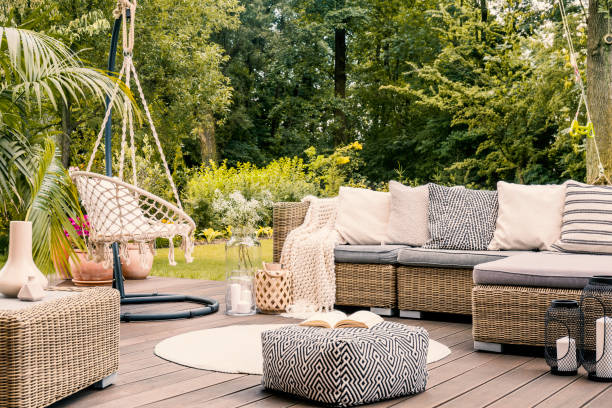
Outdoor living spaces are an essential part of residential design in Phoenix, where warm weather encourages year-round use of backyards and patios. Homeowners often look for ways to extend their living areas outdoors while maintaining comfort, safety, and durability in a desert environment. A well planned patio and fire pit space provides a dedicated area for relaxation, gathering, and everyday enjoyment without requiring extensive interior remodeling.
Patios and fire pits add usability and long-term value by transforming unused yard space into a functional extension of the home. When designed specifically for desert conditions, these features can remain comfortable across seasons while supporting low maintenance requirements. Elements such as surface materials, layout, shade, and fire feature selection all play a role in creating an outdoor space that performs well in Phoenix climates. Complementary landscape improvements like sod installation phoenix can further enhance the visual balance and usability of the surrounding area, especially when integrated into the overall design plan.
Understanding Phoenix Climate and Outdoor Design Needs
Designing an outdoor patio and fire pit in Phoenix requires a clear understanding of environmental factors. High temperatures, strong sunlight, wind, and seasonal monsoon rains all influence how materials age and how comfortable the space remains over time. Addressing these elements early helps avoid performance issues and ensures long-term usability.
Extreme heat considerations are central to outdoor design in the region. Surfaces exposed to direct sun can become uncomfortable if the wrong materials are used. Heat reflection, surface absorption, and thermal retention must all be evaluated when selecting patio finishes and fire pit components.
Seasonal usability and comfort also depend on proper planning. While summers can be intense, evenings and cooler months make outdoor spaces highly desirable. A balanced design allows homeowners to use the patio during different times of the day and across multiple seasons without frequent adjustments.
Heat-Resistant Materials for Phoenix Patios
Choosing heat-resistant materials is critical for patios in desert climates. Concrete, pavers, and natural stone are commonly used because they provide durability and structural stability under high temperatures. These materials can be finished in lighter tones to reduce heat absorption and improve walking comfort.
Surface temperature and durability are closely related. Materials that resist cracking and fading under prolonged sun exposure maintain their appearance and safety. Textured finishes can also improve traction while helping manage surface heat. Selecting materials rated for outdoor use in hot climates reduces long-term maintenance needs and supports consistent performance.
Wind, Dust, and Monsoon Planning
Phoenix weather patterns include periods of strong winds and seasonal monsoon storms. Drainage considerations are essential to prevent water pooling on patios or around fire pits. Proper grading and permeable surfaces allow water to move away from structures and reduce erosion risks.
Fire pit placement and safety are also influenced by wind conditions. Locating fire features in sheltered areas and away from combustible materials improves safety and usability. Incorporating wind-aware design elements supports consistent flame behavior and reduces cleanup caused by dust and debris.
Planning Your Outdoor Patio Layout
Effective patio design starts with determining size and function. Homeowners should identify how the space will be used, whether for casual seating, dining, or a combination of activities. This approach ensures the layout supports daily use without overcrowding or wasted space.
Flow between indoor and outdoor spaces is another important factor. A patio should feel like a natural extension of the home, with clear pathways and visual continuity. Aligning doors, walkways, and seating zones helps create a cohesive experience.
Choosing the Right Patio Design
Modern versus traditional styles influence material selection, layout, and overall aesthetics. Modern designs often emphasize clean lines, neutral colors, and minimal ornamentation. Traditional styles may incorporate textured stone, curved layouts, and layered elements.
Backyard integration ensures the patio complements existing landscaping and architectural features. A well integrated design avoids visual separation and supports functional transitions between lawn areas, planting zones, and hardscape surfaces.
Space Planning for Seating and Entertaining
Walkways and furniture spacing must allow comfortable movement and accessibility. Adequate clearance around seating areas improves usability and reduces wear on surfaces. Planning for flexible furniture arrangements also supports changing needs over time.
Shade structures and pergolas play a vital role in comfort. Strategically placed shade reduces direct sun exposure and helps regulate surface temperatures. When combined with thoughtful layout planning, these features enhance the overall usability of the patio.
Fire Pit Design Options for Phoenix Homes
Fire pits add warmth and visual interest to outdoor spaces, especially during cooler evenings. Gas versus wood fire pits is a common consideration. Gas fire pits offer consistent ignition and lower maintenance, while wood fire pits provide a traditional aesthetic but require additional cleanup and fuel management.
Built-in versus portable fire pits affect both design and permanence. Built-in options integrate seamlessly with patio materials and layouts, while portable units provide flexibility and repositioning options. Selecting the right type depends on long-term plans and space constraints.
Fire Pit Placement and Safety Guidelines
Clearance requirements are essential for safe fire pit operation. Adequate distance from structures, seating, and overhead elements reduces risk and supports proper ventilation. Planning placement during the design phase prevents costly adjustments later.
Local regulations and HOA considerations may influence fire pit design. Compliance with applicable guidelines ensures the feature can be used without restrictions. Reviewing these factors early helps align the project with community standards.
Fire Pit Materials That Perform Well in Arizona
Concrete block is a common choice for fire pit construction due to its strength and heat resistance. It provides a stable base and supports various finishing options.
Natural stone offers durability and visual appeal, making it suitable for high-end designs. Heat-rated masonry materials are specifically designed to withstand repeated exposure to high temperatures, ensuring safety and longevity.
Enhancing Comfort and Usability
Beyond structural elements, comfort features significantly impact how often an outdoor patio is used. Shade solutions and outdoor lighting are two key components that improve usability during different times of day.
Proper shading reduces heat exposure and protects furniture and finishes. Lighting enhances safety and extends usability into the evening hours, creating a balanced environment for relaxation and activity.
Desert-Friendly Shade and Cooling Features
Pergolas provide partial shade while allowing airflow, making them suitable for desert climates. Umbrellas offer flexible shading options that can be adjusted as needed. Misting systems help reduce ambient temperatures during hotter periods without altering the overall design.
Selecting shade and cooling features that align with the patio layout ensures consistent coverage and visual harmony.
Lighting for Ambience and Safety
Path lights improve navigation and reduce tripping hazards, especially around steps and transitions. Fire feature accent lighting highlights focal points and adds visual depth to the space.
Balanced lighting design avoids harsh glare while providing sufficient illumination for evening use.
Budgeting and Installation Considerations
Cost factors for patios and fire pits include materials, labor, site preparation, and design complexity. Understanding these elements helps homeowners plan realistic budgets and prioritize features.
Professional installation benefits include proper site assessment, material selection, and adherence to building standards. Working with experienced professionals such as landscapers peoria az ensures the project aligns with local conditions and long-term performance expectations. Larger scale projects that incorporate shared spaces or business environments may also benefit from expertise in commercial property landscaping, especially when durability and compliance are critical.
DIY vs Professional Patio Installation
Long-term durability is a key consideration when comparing DIY and professional installation. Proper base preparation, material placement, and drainage planning significantly affect lifespan.
Permits and code compliance are often required for fire pits and structural elements. Professionals manage these requirements efficiently, reducing the risk of delays or future issues.
Conclusion
Creating an outdoor patio and fire pit space for a Phoenix home requires thoughtful planning, climate appropriate materials, and a clear understanding of how the space will be used. By addressing heat resistance, layout efficiency, safety, and comfort features, homeowners can develop outdoor areas that remain functional and enjoyable across seasons.
A well designed patio and fire pit enhance everyday living while supporting long-term property value. From material selection to installation decisions, each step contributes to the overall performance of the space. Homeowners ready to begin planning or refining their outdoor projects can take the next step by reaching out through the contact page to discuss design options and professional guidance.
Frequently Asked Questions
Q1. What materials are best for patios in Phoenix heat?
Concrete, pavers, and natural stone are preferred due to their durability and resistance to extreme temperatures. Lighter finishes help reduce surface heat.
Q2. Are fire pits safe to use in Phoenix backyards?
Yes, when properly designed and placed according to clearance guidelines and local regulations. Material selection and ventilation are key safety factors.
Q3. How can I keep my patio cooler during summer?
Using shade structures, lighter colored materials, and cooling features such as misting systems helps manage heat effectively.
Q4. Do I need permits for a patio or fire pit?
Permit requirements vary based on design and location. Checking local regulations before installation ensures compliance.
Q5. Is professional installation necessary?
While some small projects can be managed independently, professional installation improves durability, safety, and code compliance for long-term use.
Follow
Follow us for all the latest landscaping tips:
Contact
480-771-8123
© 2025. All rights reserved.