How to design a low water backyard in Mesa AZ
Learn how to design a low water backyard in Mesa AZ with xeriscaping ideas, drought tolerant plants, and cost effective landscape planning for Arizona homes.
1/16/20265 min read
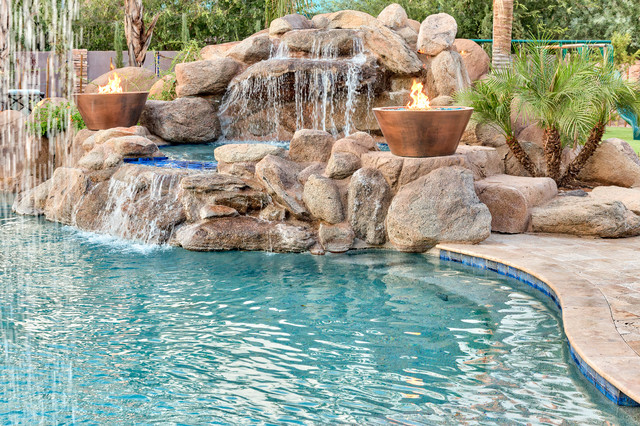
Creating a low water backyard in Mesa AZ is one of the most practical ways to reduce water use and improve your outdoor space. Homeowners looking to get started can learn more about the process through design low water backyard Mesa AZ, which provides helpful guidance for planning a water efficient landscape. With the dry climate in the region and rising water costs, a thoughtful layout can bring beauty, comfort, and long term savings.
Designing a low water yard does not mean giving up greenery. Instead, it involves selecting plants and materials that thrive naturally in the desert environment. This approach gives homeowners an attractive yard that works with nature rather than against it. By using smart planning methods and native plant choices, you can create a backyard that stays vibrant all year.
Understanding the Local Climate in Mesa and Phoenix
Mesa and Phoenix experience strong sun exposure, low rainfall, and long warm seasons. These conditions make traditional lawns difficult and expensive to maintain. A low water landscape offers a simple solution by using elements that already thrive in the area. The dry climate shapes every part of the design, from soil selection to plant placement.
Sun patterns also play a big role in how well your yard functions. Some plants love full sun while others prefer shaded areas. By mapping where the sun moves during the day, you can create zones that support healthy plant growth with less effort. The climate in the region rewards homeowners who use materials that stay cool, resist heat stress, and limit water loss.
Principles of Low Water Landscape Design
Every successful low water landscape follows a few basic principles. The first is water efficiency. Grouping plants that share similar watering needs helps reduce waste. Another principle is smart layout planning. When you place seating areas, garden beds, and walkways in the right spots, your yard becomes easier to maintain.
Hardscape features are useful for lowering water needs. Stone pathways, gravel beds, and paver patios add style while reducing the amount of soil that needs watering. Adding native plants Arizona desert options gives your yard a natural feel and improves long term sustainability. Native plants adapt well to the local climate and require little upkeep.
Creative Xeriscaping Ideas for Phoenix Homes
Homeowners across the valley often explore xeriscaping ideas Phoenix options because this style fits perfectly with the desert environment. Xeriscaping focuses on conserving water by using hardscape features, drought friendly plants, and soil improvements. You can review helpful design examples through xeriscaping ideas Phoenix to get inspiration for your project.
A well planned xeriscape includes elements such as crushed stone walkways, mulched plant beds, and heat tolerant shrubs. Shade structures improve comfort and help protect delicate plants from intense afternoon sun. Using decomposed granite in place of grass also cuts down on maintenance and water use.
Top Drought Tolerant Plants for Arizona Backyards
Arizona offers many drought tolerant plants that thrive in low water environments. Some popular options include desert marigold, agave, red yucca, and brittlebush. These plants offer both color and structure with very low maintenance needs. They handle heat well and survive long dry periods with limited watering.
For added greenery, consider native grasses and succulents. These plants give your yard texture and visual interest while requiring little attention. Homeowners who want more height and shade can include desert friendly trees such as palo verde, mesquite, or desert willow. Each of these trees performs well in the regional climate and supports a long lasting landscape.
Understanding Desert Landscaping Cost
Many homeowners want to understand the desert landscaping cost before starting the project. Cost varies depending on yard size, plant selection, and design features. Simple xeriscapes often include gravel, a few plant beds, and decorative stones. More advanced layouts may include stone patios, garden walls, lighting, or custom walkways.
Although the initial cost may be higher than a traditional lawn, low water landscapes pay off in the long run. Reduced water bills, fewer repairs, and minimal upkeep make the investment worthwhile. Homeowners also benefit from a clean and organized outdoor space with long lasting value.
Front Yard Low Water Design Peoria AZ Inspiration
The concept of front yard low water design Peoria AZ continues to gain popularity among homeowners in the region. These designs highlight beauty, simplicity, and practical function. You can explore examples and ideas through front yard low water design Peoria AZ to understand how these layouts work in real homes.
Front yards often include rock gardens, accent plants, and well designed walkways. These features create a polished look without the need for heavy watering. Adding small shrubs and stones near entry paths also helps guide visitors and improve curb appeal. This approach balances style and practicality for a long lasting design.
Step by Step Guide to Creating a Low Water Backyard in Mesa
Creating a low water backyard starts with evaluating the property. Look at soil type, drainage, sunlight areas, and existing plants. This helps determine what changes need to be made for a successful design.
Soil improvements come next. Adding organic matter helps the soil retain moisture and support plant health. After improving the soil, choose plants that work well in the climate. Grouping plants with similar needs creates a more organized and efficient watering system.
Irrigation is an important part of the process. Drip irrigation systems deliver water directly to plant roots and greatly reduce waste. Once the irrigation is in place, you can add hardscape features such as pathways, seating areas, or garden borders. These features keep your yard functional while minimizing the need for water.
Finishing touches such as decorative stones, potted plants, and low lighting complete the design. These elements add personality and create a relaxing environment where homeowners can enjoy time outdoors.
Benefits of Using Native Arizona Desert Plants
Using native Arizona plants gives your yard several advantages. These plants adapt naturally to the local climate and require less care. They handle heat, wind, and dry conditions far better than non native species. This makes them a practical choice for long term landscaping.
Native plants also support local wildlife and help preserve the natural ecosystem. They improve soil health, reduce erosion, and create a more balanced outdoor environment. Their long life span and low maintenance needs make them ideal for low water backyard designs.
Conclusion
Designing a low water backyard in Mesa and Phoenix helps homeowners reduce water use, cut maintenance, and enjoy a landscape that fits the environment. With smart planning and native plant choices, you can create a yard that stays healthy and attractive through all seasons. Homeowners ready to explore plant options can visit native plants Arizona desert for more ideas and support as they begin their project.
Frequently Asked Questions
Q1. Are low water backyards difficult to maintain?
No. They actually reduce maintenance because native plants require less care and irrigation is easier to manage.
Q2. How long does it take for a low water landscape to establish?
Most drought friendly plants establish within their first full growing season.
Q3. What is the biggest benefit of xeriscaping?
The main benefit is reduced water use while still enjoying an attractive outdoor space.
Q4. Can I add grass to a low water backyard?
You can, but most homeowners use artificial turf or small grass areas to maintain water savings.
Q5. Do desert plants attract pests?
Most native desert plants are naturally pest resistant due to their hardy structure and low moisture levels.
Follow
Follow us for all the latest landscaping tips:
Contact
480-771-8123
© 2025. All rights reserved.