Commercial Property Landscaping Design & Installation in Phoenix
Expert commercial property landscaping Phoenix services for design, installation, and commercial landscape maintenance tailored to large properties.
3/11/20265 min read
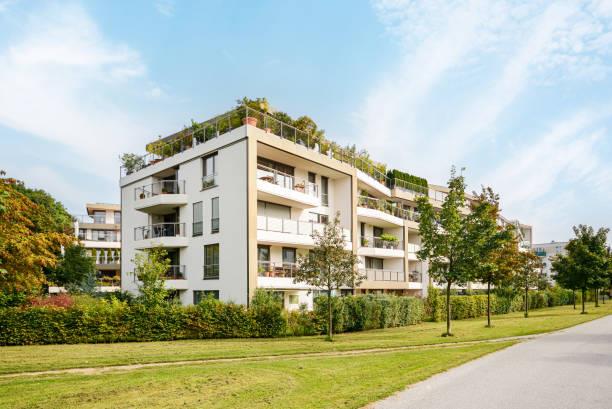
Large commercial properties require more than basic lawn care. They demand strategic planning, durable materials, efficient irrigation systems, and structured maintenance programs that support long term visual appeal and functionality. Professional commercial property landscaping services help property managers, developers, and business owners create outdoor environments that reflect professionalism while withstanding the demanding desert climate.
From initial design planning to final installation and ongoing care, commercial landscaping plays a vital role in shaping first impressions and maintaining property value. Structured landscape systems also support safety, accessibility, and environmental efficiency across large scale developments.
Understanding Commercial Property Landscaping for Large-Scale Developments
Commercial landscaping projects differ significantly from residential installations. They involve larger areas, higher foot traffic, complex irrigation systems, and detailed compliance considerations. Planning for these factors ensures that the finished landscape remains functional and sustainable.
Key Elements of Professional Commercial Property Landscaping Design
Professional commercial property landscaping design incorporates multiple components that work together to create cohesive outdoor environments. These elements include turf areas, decorative plant beds, irrigation systems, lighting design, and hardscape features such as walkways and retaining walls.
Site grading and drainage planning are also critical in desert environments. Proper grading ensures that water flows efficiently without causing erosion or pooling. Landscape designers evaluate soil conditions, sun exposure, and traffic patterns to develop balanced layouts that support long term durability.
Plant selection is another essential factor. Drought tolerant and climate appropriate species help reduce water consumption while maintaining consistent visual appeal throughout the year. Structured plant placement improves aesthetics while supporting efficient irrigation management.
Planning for Long-Term Commercial Landscape Maintenance
Effective landscaping design always considers future maintenance needs. Planning irrigation access, selecting durable materials, and organizing planting zones help reduce long term service costs. Maintenance planning ensures that landscapes remain healthy and visually consistent as properties continue to operate.
Working with experienced providers such as Desert Veil Landscaping allows property managers to integrate design and maintenance planning from the beginning. Coordinating installation with maintenance strategy helps preserve landscape quality and prevent premature deterioration.
Commercial Property Landscaping Design Process in Phoenix
The design process for commercial landscaping projects follows a structured sequence to ensure efficiency, compliance, and sustainability. Each phase contributes to a cohesive outdoor environment that meets operational needs.
Site Evaluation and Master Planning for Commercial Property Landscaping
Every project begins with a comprehensive site evaluation. Landscape professionals assess soil composition, existing vegetation, drainage patterns, and structural features. Understanding site conditions allows designers to create master plans that maximize usable space and promote efficient water management.
Master planning includes layout design, irrigation zoning, lighting placement, and material selection. Designers ensure that pedestrian pathways, entry points, and parking areas integrate seamlessly with landscaped features. This organized approach supports both functionality and aesthetic appeal.
Selecting Materials and Planting Strategies for Sustainable Commercial Landscape Maintenance
Material selection plays a major role in landscape longevity. Durable pavers, stone elements, and reinforced edging help withstand heavy use and environmental exposure. Selecting high quality materials reduces repair frequency and supports long term structural stability.
Planting strategies focus on sustainability and water efficiency. Drought resistant plant varieties reduce irrigation demand while maintaining visual impact. Grouping plants with similar water requirements helps improve irrigation precision and minimize waste.
Installation Phases of Commercial Property Landscaping Projects
After design approval, installation begins in structured phases to ensure efficient execution and quality control. Coordinated project management helps maintain timelines and minimize disruptions to property operations.
Hardscape, Irrigation, and Plant Installation in Commercial Property Landscaping
Installation typically begins with grading and foundational work. Hardscape elements such as walkways, patios, and retaining walls are installed first to establish structure. Professional hardscape services ensure that paved surfaces remain stable and properly aligned with drainage systems.
Irrigation systems are installed next, with careful zoning to support plant health and water efficiency. Drip irrigation and smart controllers help regulate water usage and maintain consistent soil moisture levels.
Plant installation follows once infrastructure is complete. Trees, shrubs, turf, and decorative elements are placed according to design specifications. Proper planting depth and soil preparation support root development and long term plant health.
Coordinating Timelines to Support Ongoing Commercial Landscape Maintenance
Effective timeline coordination ensures that installation transitions smoothly into maintenance operations. Maintenance teams review irrigation settings, inspect plant health, and establish service schedules immediately after project completion.
Clear communication between installation and maintenance teams helps protect new plantings and preserve hardscape integrity. Structured transition planning ensures that landscapes receive proper care from the earliest stages of development.
Importance of Commercial Landscape Maintenance After Installation
Installation represents only the beginning of a landscape lifecycle. Without ongoing maintenance, even well designed properties may experience plant decline, irrigation inefficiencies, and structural wear.
Protecting Investment Through Routine Commercial Property Landscaping Care
Routine maintenance protects the financial investment made in commercial landscaping projects. Scheduled mowing, pruning, fertilization, and irrigation inspections preserve turf health and plant vitality.
Regular inspections also help detect potential issues before they escalate. Early identification of irrigation leaks, plant disease, or drainage concerns supports proactive resolution and minimizes repair costs.
Seasonal Adjustments in Commercial Landscape Maintenance Programs
Seasonal changes in Phoenix require maintenance adjustments to maintain landscape performance. Summer heat may require irrigation schedule modifications, while cooler months may involve overseeding or soil nutrient adjustments.
Professional maintenance programs adapt to temperature fluctuations and growth cycles. Seasonal planning ensures that landscapes remain healthy, attractive, and operationally efficient throughout the year.
Choosing an Expert for Commercial Property Landscaping in Phoenix
Selecting a qualified landscaping provider is essential for successful design, installation, and maintenance outcomes. Experience, equipment capability, and project management expertise all influence long term results.
Experience and Equipment Needed for Large-Scale Commercial Property Landscaping
Large scale projects require specialized equipment and skilled crews. Professional landscapers must manage grading equipment, irrigation installation tools, and hardscape construction resources. Experienced teams understand how to coordinate complex installations while maintaining quality standards.
Evaluating previous project portfolios and technical expertise helps property managers identify reliable providers capable of handling commercial scale developments.
Customized Commercial Landscape Maintenance Plans for Property Managers and HOAs
Property managers and homeowners associations often require structured service agreements tailored to their operational needs. Customized maintenance plans outline inspection schedules, irrigation management protocols, and seasonal service adjustments.
Comprehensive maintenance strategies ensure consistent landscape quality across office complexes, retail centers, and community developments. Tailored plans support predictable budgeting and reliable property presentation.
Conclusion
Commercial property landscaping in Phoenix requires careful planning, climate specific design, durable installation practices, and structured maintenance programs. Professional commercial property landscaping services help developers and property managers create visually appealing outdoor environments that support functionality and long term sustainability.
From site evaluation and hardscape construction to irrigation planning and ongoing care, each phase contributes to the overall performance of the landscape system. Selecting experienced professionals ensures that large scale developments maintain consistent quality and structural integrity.
To explore customized design, installation, or maintenance solutions, property managers can visit the website and contact a trusted landscaping expert for professional guidance and project consultation.
FAQs
Q1. What does commercial property landscaping include?
Commercial property landscaping includes design planning, irrigation installation, hardscape construction, plant installation, and ongoing maintenance services tailored to large scale developments.
Q2. Why is maintenance important after commercial landscape installation?
Maintenance protects plant health, preserves hardscape integrity, and ensures irrigation systems function efficiently. Routine care prevents deterioration and supports long term property value.
Q3. How long does a commercial landscaping project typically take?
Project timelines vary depending on property size, design complexity, and installation scope. Structured project planning ensures efficient completion while maintaining quality standards.
Q4. What types of plants work best in Phoenix commercial landscapes?
Drought tolerant and climate appropriate plant species are ideal for Phoenix landscapes because they reduce water consumption and withstand high temperatures.
Q5. Can commercial landscaping plans be customized for property managers?
Yes, professional landscaping providers offer customized maintenance and design plans that align with property management goals, budget requirements, and long term operational needs.
Follow
Follow us for all the latest landscaping tips:
Contact
480-771-8123
© 2025. All rights reserved.